
- Written report and action plan
- Offices, shops and restaurants
- Covering all of London
Commercial Fire Risk
Assessments in London
We carry out fire risk assessments in London for offices, shops, restaurants and other business premises, and every fire survey ends with a written report of the findings and an action plan, as the law has required since October 2023.
What a commercial fire risk assessment gives your business
5 steps
Every assessment
1 report
With action plan
2023
Record now required
London Fire Surveys carries out business fire risk assessments and commercial fire surveys across London, for premises from a single shop unit to offices on several floors and restaurants with working kitchens.
We walk the building, look at where a fire could start and how it would spread, check the alarm, the emergency lighting, the fire doors and the escape routes, and write down what needs doing and in what order, so you know what to fix first.
How the assessment works
A visit to the premises, a written report and an action plan you can work through.
We walk the whole premises
The assessment starts on site, on every floor, along the escape routes and through the back of house, where storage, kitchens and plant rooms often hold the risks a quick look would miss.
Written to the Fire Safety Order
The report records the findings and your fire safety arrangements in full, which every responsible person has had to do since 1 October 2023.
A clear action plan
Every finding comes with what to do about it, so the urgent items get dealt with first and the rest can be planned.
Reviews when things change
The law says the assessment must be reviewed regularly and after any significant change, such as a refit, a new layout or a change of use, and we can come back to update it.
No upselling
Honest, straightforward advice focused on your safety and compliance.
- Our services
Fire surveys and fire safety services for London businesses
Fire risk assessments come first, then the plans, checks and advice that follow from them. We also draw fire escape plans and carry out commercial EPCs.
- Fire Risk Assessments
- Fire Action Policies and Emergency Plans
- Fire Escape and Evacuation Plans
- Fire Door and Safety Inspections
- HMO and Airbnb Fire Risk Assessments
- Licensing and Compliance Advice
Why it matters
Under the Regulatory Reform (Fire Safety) Order 2005, whoever controls a business premises is the responsible person, and must make a suitable and sufficient fire risk assessment, record it, act on what it finds and keep it under review. Since October 2023 some fire safety offences carry an unlimited fine.
If your premises shares a building with flats, such as a shop or restaurant with homes above, the assessment covers more than it used to, and the responsible persons in the building have to share information with each other.
- The law
Who is the responsible person?
Your legal duties under the Fire Safety Order
If you have control of a premises to any real degree, you are likely to be a responsible person. The duty is often shared, for example between several employers in 1 building, and it never falls on the fire service. Under the Order, the responsible person could be:
- An employer
- Anyone else who controls the premises to any extent in connection with a trade or business they carry on there, for example the occupier or the owner
Where 2 or more responsible persons share a building, each one is responsible for making sure their part of it is safe from fire, and they must cooperate and share information.
Fire safety law for business premises
The 3 laws that set out what a business in London has to do
Fire Safety Order 2005
The main fire safety law for business premises in England, in force since 1 October 2006.
Fire Safety Act 2021
Since 16 May 2022, in buildings with 2 or more homes, the structure, external walls and flat entrance doors must be included in the fire risk assessment.
Building Safety Act 2022
Since 1 October 2023, every responsible person must record the whole assessment, the fire safety arrangements and the name of whoever carried it out, however many people they employ.
Who the Order applies to
The Order applies to every workplace and to the common parts of buildings with 2 or more homes. It puts legal duties on whoever controls those premises, usually the owner, employer or landlord, to carry out and record a fire risk assessment and to put in place and maintain general fire precautions.
Does my business need one?
If you own, manage or run a business, you need a written fire risk assessment, whatever the number of staff, and you must deal with the problems it finds. If you are selling a flat in a block or a conversion, an assessment of the communal areas is usually a condition of sale, and that is the freeholder’s responsibility.
- If the law is not followed
- Since October 2023, some fire safety offences carry an unlimited fine
- London Fire Brigade checks fire risk assessments in London, but it does not write them for you
The 5 steps of a fire risk assessment
The guidance that supports fire safety law sets out 5 steps, and our assessments follow them:
Step 1: Identify the hazards
Identify the hazards in your premises, including sources of ignition, sources of fuel and any oxidising agents other than air.
Step 2: Identify the people at risk
Identify the people at risk. That means everyone who could be harmed by a fire on your premises, from staff, tenants and occupants to visitors and members of the public, with particular attention to people working near fire hazards, lone workers, children, parents with babies, older people, people with disabilities and anyone who may need help to get out.
Step 3: Evaluate and reduce the risk
Remove or reduce the hazards where you can, then keep the risk that is left as low as possible by looking at:
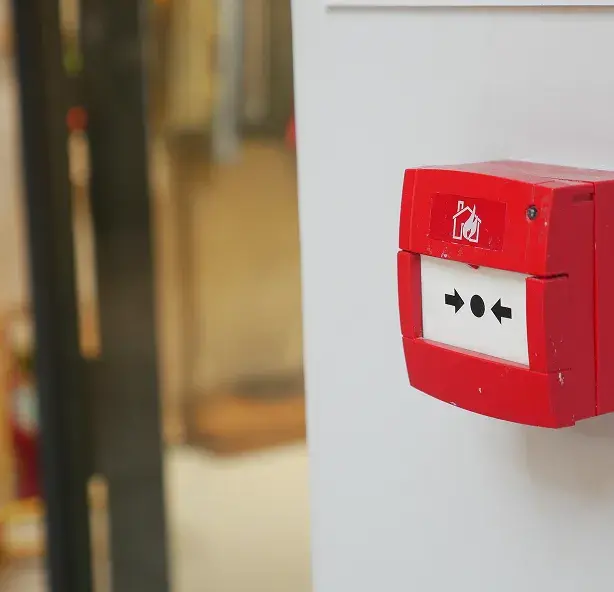
- Means of detecting fire and giving warning
- Firefighting, and calling the fire and rescue service
- Escape routes, including fire exits, emergency lighting and escape route signs
- Evacuation of vulnerable people and anyone who needs help
- Training for your staff
- Fire safety information for anyone who may need it, such as staff and visitors
- A way of making sure your fire precautions, including the assessment itself, keep working
Step 4: Record, plan, inform and train
- Record the findings and the fire safety measures you have taken and plan to take
- Make an emergency plan for your premises if you do not already have one
- Give staff, occupants, visitors and guests the details of your fire action plan
- Train employees in the risks, how to prevent a fire and what to do if one starts, including full time, part time, temporary and unpaid staff, with more detailed training for people such as fire marshals
Step 5: Review the assessment
Review the assessment regularly, and straight away if you think it no longer fits, for example after a near miss or a significant change such as new processes, new occupants or a new layout.